Introduction
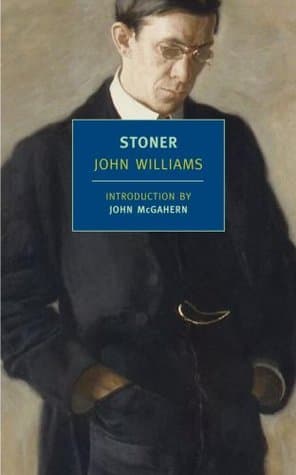
John Williams’ Stoner is one of those rare novels that transforms an ordinary life into something extraordinary. Quiet, devastating, and deeply humane, it asks whether a life can still be meaningful even if the world never notices it.
A book like Stoner is not my usual cup of tea. Stoner’s marriage begins to unravel shortly after his nuptials. His relationship with his daughter is poisoned by his estranged wife. His one and only true romantic relationship with his co-worker Katherine is destroyed by forces beyond his control. At work a bitter a rival tries to extinguish his passion and joy for teaching. By most conventional measures, Stoner is a failure. So, what makes Stoner so compelling?
What Makes Stoner So Compelling?
Most of us, whether we’d like to admit it or not, are more like Stoner than we’d care to believe. We live ordinary lives. We often allow circumstances, expectations, and chance to shape our lives more than we would like to admit. How many of us can say with confidence that we will be remembered by future generations when we are gone?
What keeps Stoner from becoming a figure of pure tragedy is that, despite everything he loses, he recognizes that his life was still filled with moments of tenderness, purpose, and joy.
What Stoner Teaches Us About Ordinary Lives
Near the end of the novel, he picks up the copy of the book he published years earlier and feels the same excitement he experienced when he first discovered literature—the excitement that changed the course of his life. He doesn’t care that the book has been forgotten or whether it has any lasting value. It is a physical manifestation of his love and devotion to his craft. That love sustained him through a failed marriage, the loss of his daughter, and the loss of the woman he truly loved.
Final Thoughts
Stoner reminds us that an ordinary life need not be an empty one. A life that appears mediocre from the outside can still be profoundly meaningful if we retain the capacity to love—whether that love is for another person, for our work, or simply for the things that make us feel most alive.
Related Reviews
Readers who enjoyed the quiet introspection of Last Summer in the City may find a similar emotional register in Stoner, where everyday moments gradually accumulate into a life.